
As winter settles in, you may think your lawn is on a break, resting until spring. However, there’s a crucial step you can take during the colder months to ensure a healthy, lush lawn when the weather warms up: winter harrowing. Winter harrowing is a powerful lawn care practice that not only prepares your lawn for spring but the process eliminates bare spots, promotes healthier soil, reduces weed growth, and enhances overall lawn health. In this blog post, we’ll dive into the benefits of winter harrowing and explain why it’s essential for your lawn’s spring revival.
What is Winter Harrowing?
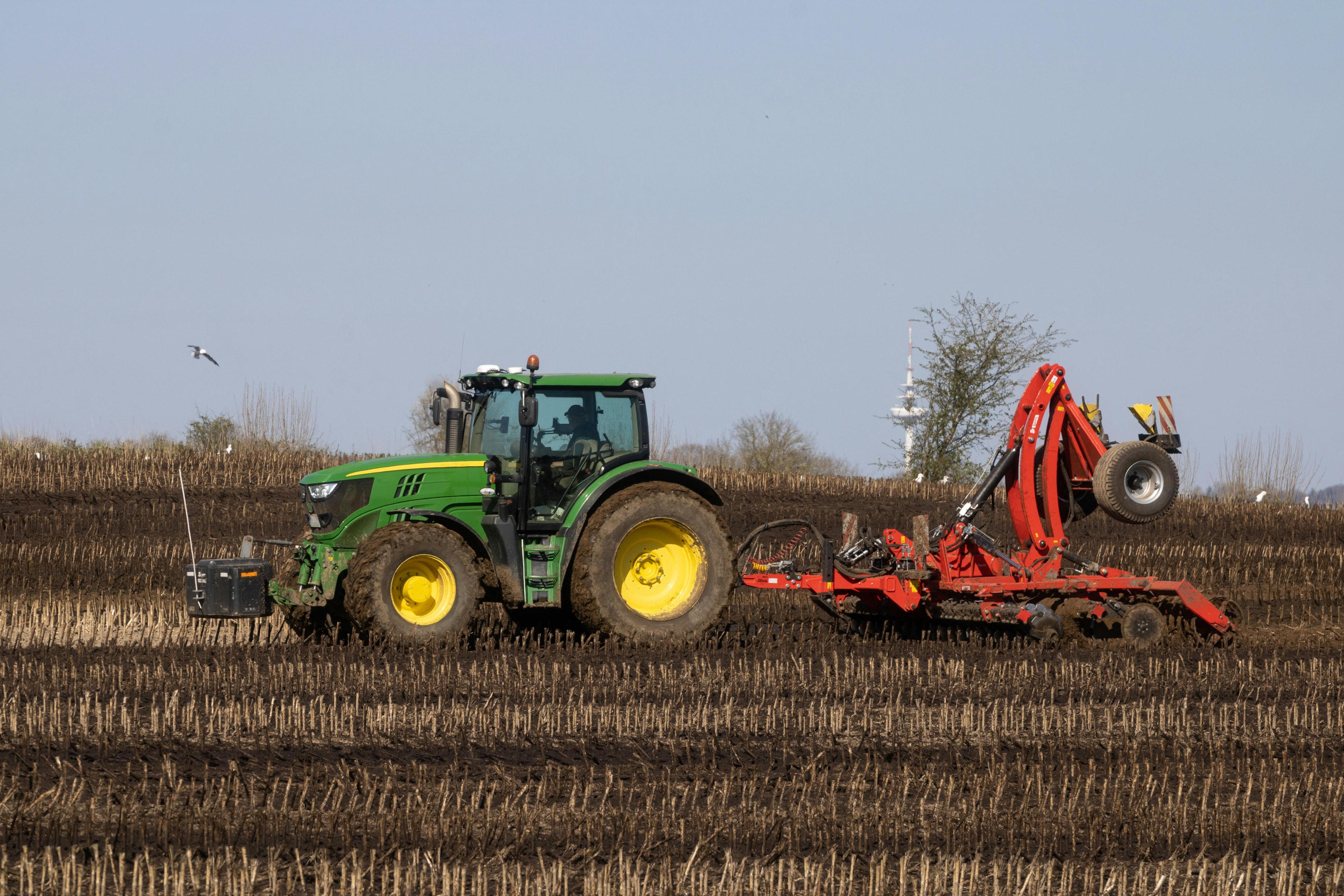
Winter harrowing involves using machinery, typically a chain harrow, to break up compacted soil, level the soil surface, and prepare the ground for spring growth. The process is carried out during the winter months when the weather is colder and the ground is typically frozen or wet. This technique is especially effective for lawns, pastures, and hay fields that need a little extra care after months of grazing, mowing, or being covered with dead grass and debris.
Benefits of Winter Harrowing for Your Lawn
Winter harrowing offers several benefits, all of which play a significant role in ensuring your lawn thrives come spring. Let’s explore how harrowing helps improve soil health and prepares your lawn for the warmer months.
1. Breaking Up Soil Compaction
Soil compaction occurs when the soil becomes too dense, often caused by foot traffic, tractor movement, or heavy equipment during the growing season. Compacted soil restricts air, water, and nutrients from reaching the grassroots, leading to weak patches of grass, poor growth, and an overall lack of vitality.
Winter harrowing helps alleviate soil compaction by loosening the surface and creating space for air, water, and nutrients to penetrate deeper into the soil. The rolling action of chain harrows is perfect for breaking up dense soil, which helps create a better environment for grass to establish roots and thrive.
2. Preparing the Ground for Spring Growth
Winter harrowing is a great way to prepare the soil for spring sowing. By breaking up the soil surface, you create a more uniform, consistent seedbed that’s perfect for seed germination. As warm weather approaches, your soil will be ready to support grass and crop growth, ensuring your lawn turns green and strong as soon as temperatures rise.
Additionally, harrowing helps kill off any weed seedlings or weed growth that may have started to take root during the winter months. Since weeds often struggle to grow in freshly disturbed soil, this process can be an effective method for keeping your lawn healthy and free of unwanted plants.
3. Improving Soil Fertility and Structure
During the winter, manure piles and other organic materials can accumulate on your lawn. These materials can become compacted, restricting their ability to break down and naturally fertilize the soil. By harrowing, you help to spread the manure evenly across your lawn, promoting natural fertilization and adding nutrients to the soil. This process not only improves soil fertility but also enhances the structure of the soil, leading to better drainage and root development for your grass.
4. Promoting Weed Control During Winter Months
Weeds can be a significant nuisance, especially in lawns and pastures. They can take root even during the winter months if left undisturbed. Winter harrowing helps reduce the growth of weeds by disturbing the weed seedlings and the surface of the soil. When you break up compacted soil, you also disrupt the growth cycle of many weeds, reducing the chances of weed growth when spring rolls around.
While harrowing won’t completely eliminate all weeds, it significantly reduces their numbers, helping you maintain a healthier lawn. By disturbing the soil in the same direction and at the right time, you can prevent weeds from gaining a strong foothold in your lawn or pasture.
5. Eliminating Bare Spots
If your lawn has bare spots or weak patches that don’t seem to thrive, winter harrowing can help by breaking up the soil and spreading new seed across those areas. The disturbance of the soil encourages the seedbed preparation that’s necessary for new grass to grow. This is especially helpful in areas where existing deep-rooted grasses have taken over, leaving other parts of the lawn barren.
By harrowing your lawn, you can encourage moist soil conditions that are perfect for grass germination, helping to fill in bare spots and strengthen weak areas of your lawn.
The Best Time for Winter Harrowing
The best time for winter harrowing depends on weather conditions and the moisture content of the soil. Typically, the most ideal time to perform this task is during the autumn or early winter months, just before the weather turns colder and before snow and ice cover the ground. The soil should be slightly moist but not overly wet, as too much moisture can lead to ineffective harrowing and damage to your lawn.
If you wait until spring to harrow, you may disrupt new grass growth or damage your lawn if the soil is too wet. It’s best to get the process done before the ground freezes, so the soil remains soft enough for harrowing.
Winter Harrowing in Pastures and Hay Fields
Winter harrowing is not only beneficial for lawns but also for pasture and hay fields. When livestock, such as cattle or animals, graze during the fall and winter, they can create compacted soil, and manure piles can build up in certain areas. Winter harrowing in these spaces breaks up these manure piles and compacted soil, helping to improve grass growth come spring. The process helps prepare the pasture for new growth and ensures adequate cover for when animals eventually return after the winter.
The Process of Spreading Manure
An often-overlooked part of winter harrowing is its ability to help with spreading manure efficiently across your lawn or pasture. As manure breaks down during the winter months, it provides essential nutrients that promote healthy grass and crops. Harrowing helps ‘poo picking’ and to spread the manure evenly, ensuring proper distribution of nutrients throughout the soil, which supports both crop and grass growth in the coming spring.
Promoting Overall Lawn Health
Winter harrowing not only helps your grass and crops grow but also improves the overall health of your lawn. The process enhances soil structure, reduces compaction, and helps control weed growth. It also ensures that nutrients are distributed evenly, which helps your grass stay healthy, strong, and vibrant throughout the year. Winter harrowing is an essential practice for anyone serious about maintaining a healthy lawn year-round.
Conclusion
In conclusion, winter harrowing is a simple yet effective way to ensure your lawn is ready for the spring season. Whether you’re dealing with soil compaction, weed growth, or bare spots, harrowing can help you achieve a healthier, more vibrant lawn. By breaking up the soil, promoting nutrient distribution, and controlling weeds, this practice sets the stage for a beautiful, green lawn when warmer weather arrives.
If you’re ready to give your lawn the boost it needs, consider hiring a professional service to handle the process for you. For more information on winter harrowing and other pasture work services, check out Tractors 4 Hire. Don’t wait until spring—prepare your lawn now for the lush, healthy growth that awaits!