
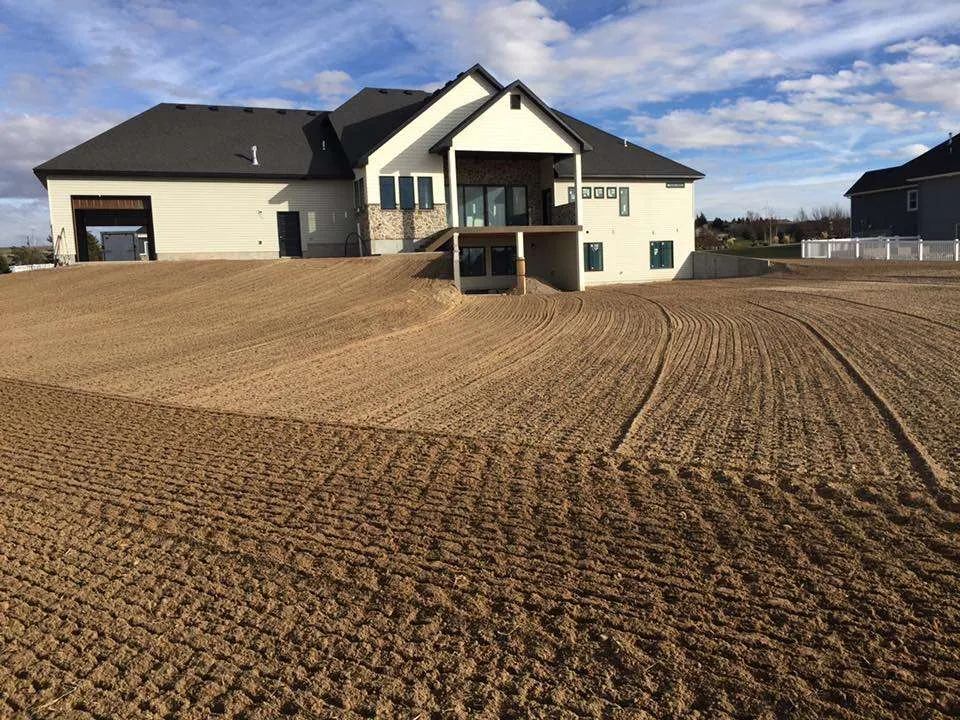
Proper dirt work for snow management is a critical step in preparing for the winter months. When done correctly, it prevents costly water buildup, flooding, and icy conditions when the snow starts to melt. This article will explore how dirt work helps with snow and ice management, the tools and techniques involved, and the benefits it provides for homeowners and businesses alike.
Why Dirt Work Is Crucial Before Snow Falls
Dirt work involves shaping and grading the land to improve water drainage. Without this preparation, melting snow can create puddles, damaging infrastructure and creating dangerous icy patches. Construction companies and landscaping professionals often focus on moving dirt in the fall to direct water flow away from homes, hills, and driveways.
For example, grading ensures that when wet snow melts, it won’t collect in low areas or seep into basements. Proper dirt work can also protect against erosion, saving homeowners time and money in repairs.
Preventing Ice Build-Up and Flooding
Water that cannot drain properly will refreeze, turning into hazardous ice. Preventing ice starts with strategic dirt work that creates slopes and trenches to guide water away from critical areas. This approach is especially important during heavy snowfall, where a couple of inches of water from melting snow can quickly cause significant damage.
Professionals use techniques like compacting soil, spreading gravel, and creating retaining walls to maintain stability and prevent water accumulation. These methods not only improve safety but also enhance the performance of snow management tools like snow plows and snow blowers.
How Dirt Work Supports Snow Removal
Efficient snow removal depends on well-prepared surfaces. Uneven ground with poor drainage makes it harder for a plow truck or snow plow to do its job. Proper dirt work levels the ground, ensuring that equipment can easily push and move snow without encountering unexpected dips or obstacles.
In addition, rock salt, sand, and other melting agents are more effective on smooth, well-maintained surfaces. This is critical for maintaining traction on roads, driveways, and walkways during icy conditions.
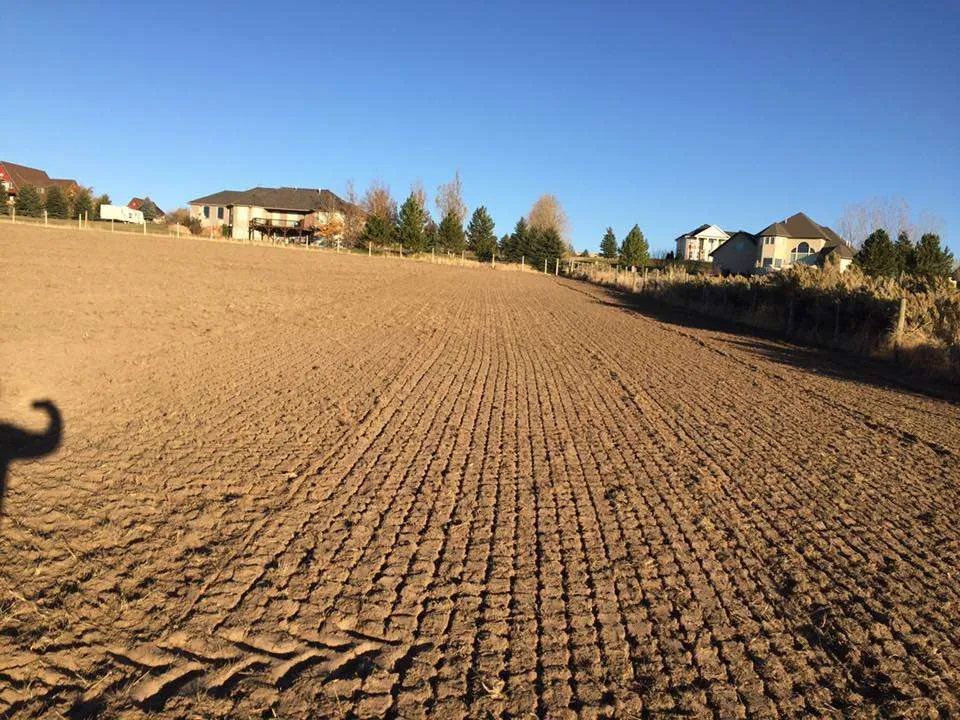
Tools and Techniques for Effective Dirt Work
When preparing for snow and ice management, professionals use various tools and equipment, including:
- Excavators: To dig trenches and shape the landscape.
- Grading Machines: To ensure even slopes for drainage.
- Compact Rollers: To stabilize soil and prevent shifting during snowfalls.
- Tractors: To spread gravel and other materials.
Forum community enthusiasts often share tips about dirt work in discussion starters on landscaping or snow management forums. These insights can help homeowners decide when and how to hire a professional.
The Role of Landscaping in Snow Management
Landscaping plays a crucial role in snow management by enhancing natural drainage. Adding trees and shrubs, for example, helps absorb excess water, reducing the risk of flooding. Grassy areas and properly maintained soil also contribute to better water absorption when the snow melts.
On older threads in landscaping forums, you’ll find advice about using plants strategically to combat ice melt. These natural solutions complement dirt work, creating a robust defense against winter weather challenges.
Long-Term Benefits of Dirt Work
Investing in dirt work before winter has several long-term benefits:
- Protecting Infrastructure: Well-graded land prevents water damage to homes, garages, and driveways.
- Improving Safety: Reducing ice buildup minimizes slip-and-fall accidents.
- Saving Money: Avoiding repairs caused by flooding and erosion saves significant costs over time.
- Enhancing Snow Removal Efficiency: Dirt work ensures that plow trucks and other equipment operate smoothly.
Common Questions About Dirt Work and Snow Management
1. Can dirt work prevent all flooding during snow melts?
While dirt work greatly reduces flooding, it works best when combined with proper drainage systems and routine maintenance.
2. How does gravel help with snow management?
Gravel improves water drainage, prevents erosion, and enhances traction for vehicles during winter.
3. When should I schedule dirt work?
It’s best to schedule dirt work in late summer or early fall before the ground freezes and snowfalls begin.
Final Thoughts: A Winter-Ready Landscape
Proper dirt work for snow management is more than a seasonal task—it’s an investment in your property’s longevity and safety. By addressing drainage issues before the winter months, you can avoid the headaches of moving snow, dealing with ice melt, and repairing water damage in the spring.
Whether you’re using professional help or exploring options on a forum community, preparation is key. For help with dirt work, snow removal, or other landscaping needs, contact Simmons Sports & Services today. Let’s create a plan that ensures your property is ready to handle whatever winter brings.